Five Things to Know BEFORE Signing Any Healthcare Contract
Congratulations on your job offer! You may be fresh out of training and excited to finally make a decent salary or transitioning into a better role. Regardless of your stage in life, handling your contract intelligently will serve to benefit you in two ways:
- Secure your future job satisfaction
- Lay the foundation for a strong relationship between you and your boss
Before accepting my first professional job out of residency, I hired a lawyer to review my contract. She was a GODSEND. Not only did she save me from signing a terrible contract, but she equipped me with empowering language to strengthen my relationship with my boss.
SPOILER: yes, I did eventually sign, but my employer was eager to accept my new and improved contract because I followed my lawyer’s key advice listed below.
If you can afford it, I highly recommend hiring a lawyer. Yes, they can be expensive, but mine helped me negotiate for a significantly higher salary, making it a worthy investment!
So, you passed the interview stage - bravo. But negotiating poorly after the fact can all but tank your rapport moving forward or cost you the job entirely. Psychology studies of employers show that people remember most of what you say and do at the beginning of a relationship and at the end, with events in the middle being largely forgotten. Something to keep in mind right before performance evaluations…
When negotiating, take care to use the words “you” much more than “I” and “me.” Frame your thoughts and sentences to speak to the employer's needs, not yours.
Five things to know and DEEPLY CONSIDER before signing any contract.

1. Moving bonus or Traveling Stipend
My first job required moving from San Francisco to the Midwest. During the pandemic.
I’ll keep things polite and say it was terrible, but I successfully negotiated for a moving bonus. Most employers these days are short staffed and will want you to start ASAP.
If you plan to work there for a few months and decide later if you will move, be sure to include the option for a traveling stipend in the event you choose not to move. Miles, gas, and hotels will surely add up and cannot be negotiated easily mid contract.

2. Noncompete Clauses
If possible, never sign a noncompete. For example, a typical noncompete will say that you cannot practice within X miles of the hospital or clinic for X years after you leave. If your employer is adamant, then negotiate to lessen the mile radius or number of years. Negotiating to lift the noncompete after you leave a job is all but impossible.
3. Benefits
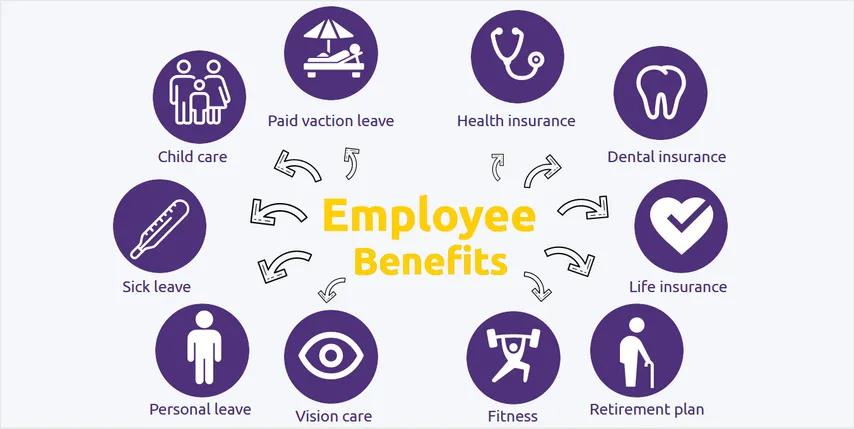
Read this very carefully; know the details. In addition to health insurance, dental, and vision, be sure that they pay for your malpractice insurance and tail coverage. The shortage of healthcare professionals is extreme enough (at the time of this writing) that you can easily negotiate for this and dodge an expensive mistake when you choose to switch jobs.
Tail coverage is the amount you must pay the malpractice group for continued coverage after you leave a practice. Depending on how long you worked at a particular location, this could be tens of thousands of dollars. Request, read, and retain all of this in writing. Do not accept links to websites; ask for documents.
Student Loan Repayment. This falls under benefits and deserves a bold line. Hospitals especially can offer lucrative loan repayment options in addition to the PSLF program.

4. Hours, Call Schedule, and Shifts
As the pandemic unfortunately demonstrated, your contract ensures that you are liable to work for the hospital X number of days in a month, but that guarantee is not returned to you.
Many physicians were “ghosted” and not scheduled shifts for months when the pandemic caused hospitals to go dormant. Be sure your contract has specific language regarding how call is distributed: will it be in house, phone call, or must you be within five miles of the hospital? How many providers share call?
Your contract must include the number of vacation days and each holiday specifically that they provide off, or if you share call, how many holiday and sick days you are entitled to take.

5. Never sign a contract that locks you in longer than 5 years
I would argue for even less, like three years, but I’ll vouch for five because longer contracts tend to offer better loan repayment options.
If you violate the contract and leave, you could be liable for tens of thousands of dollars. Life happens; it’s impossible for us to accurately plan more than five years from now. A child or parent could fall ill. You may even decide to change careers. Leave some wiggle room for the spontaneity of life.
Related Posts