'%3e%3cg%20id='g214'%20transform='matrix(0.32183751,0,0,0.32183751,430.83572,150.72677)'%3e%3cg%20id='g216'%20clip-path='url(%23clipPath220)'%3e%3cg%20id='g222'%20transform='translate(1045.0996,889.4355)'%3e%3cpath%20d='m%200,0%20v%20-99.952%20l%2077.659,45.514%20V%2052.936%20C%2074.122,52.956%2070.734,52.744%2067.494,52.334%2041.653,49.034%209.569,27.182%200,0%20M%20-77.658,367.348%20V%20180.333%20c%2031.278,17.938%2068.013,23.603%20100.61,10.753%20C%2053.247,179.142%2079.118,153.56%2077.659,118.917%2047.852,119.264%2017.295,109.79%200,91.721%20v%2045.051%20L%20-77.658,91.258%20V%20-88.106%20l%20-77.661,-45.515%20v%20455.453%20z'%20style='fill:%2321303b;fill-opacity:1;fill-rule:evenodd;stroke:none'%20id='path224'%20/%3e%3c/g%3e%3c/g%3e%3c/g%3e%3c/g%3e%3c/svg%3e)
Top 5 Healthcare Blogs of 2025
As 2025 comes to a close, we'd like to revisit some of our favorite articles from the year. Job seekers and employers alike faced both perennial and new challenges, from navigating a competitive job market to understanding what truly matters in long-term career satisfaction. To help prepare for the year ahead, we have compiled the most impactful blogs published on HospitalRecruiting this year. Here are our top 5 healthcare career resource articles of 2025.
1. How I'd Approach My First Physician Job Search Differently Today
Author: David Beran, DO
New physicians often overlook things when entering the job market, and a more intentional approach can lead to better long-term satisfaction. Understanding practice environments, researching contract terms, building early professional connections, and prioritizing personal goals will help guide your search. A thoughtful, informed job search can prevent early career frustration and help physicians find roles that match both their expectations and values.
Key Takeaways
- Compare practice settings carefully and evaluate culture fit
- Understand contract details and compensation structures early
- Make networking a priority during training and beyond
- Align job choices with long-term personal and career goals
2. A Retired Surgeon's Return to Practice
Author: Jerome Enad, MD
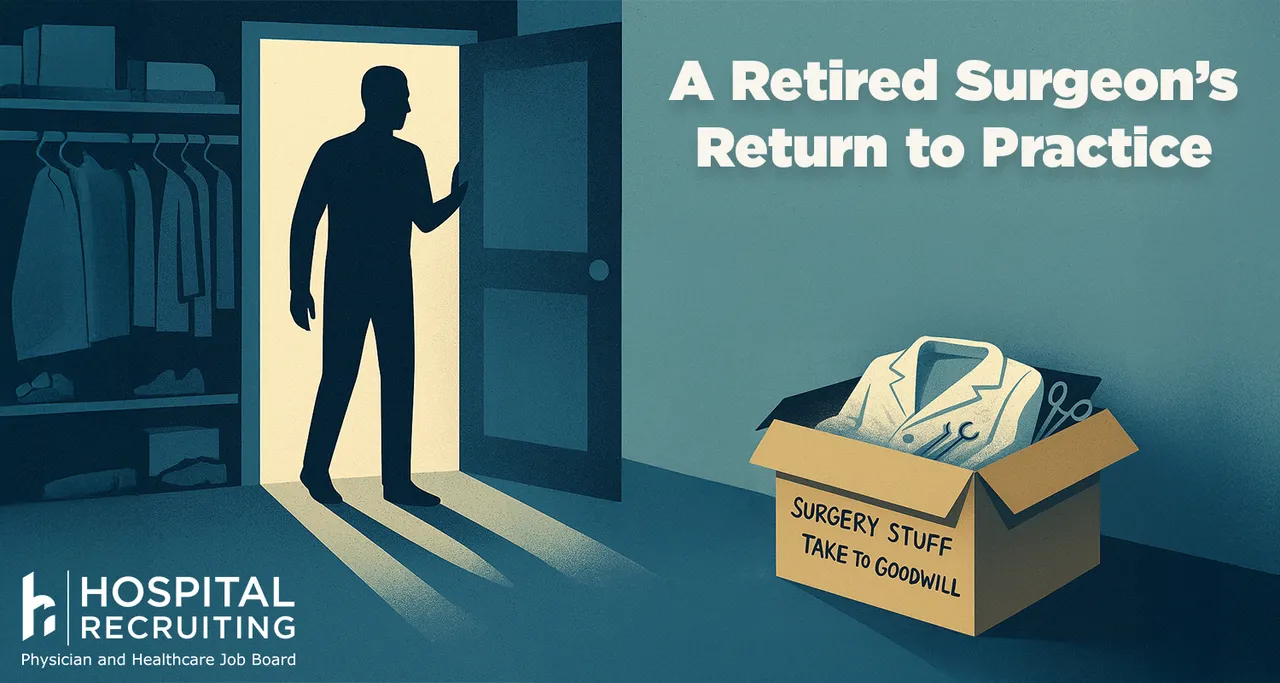
This article highlights the journey of coming back to clinical practice after years of retirement and the realities that come with reentry. Knowing the administrative steps, skill refreshers, and emotional adjustments required will help those providers looking to return safely resume patient care. Structured reentry pathways, mentorship, and continuing education can also help physicians rebuild confidence and integrate back into their specialties successfully.
Key Takeaways
- Reentry requires planning and ongoing education to stay sharp
- Institutions play a key role in providing clear reentry pathways
- Mentorship and employer support help rebuild confidence
3. How to Evaluate Work-Life Balance in Healthcare Jobs
Author: Ben Williams, RN, BA
Evaluating work-life balance can be difficult from a quick scan of the job description alone. Healthcare professionals should know the signs to look for when evaluating whether a job will support a sustainable work-life balance or not. Scheduling, call requirements, workload expectations, PTO structures, and organizational culture are just a few things to consider when looking at how your new career will affect life outside of work. For more understanding, ask direct questions, identify burnout risks, and look for employers who actively support clinician well-being.
Key Takeaways
- Review schedules, call rotation expectations, and patient volumes
- Ask questions about team culture and support systems
- Prioritize roles that promote long-term sustainability and well-being
- Evaluate your own priorities to strike a balance that works best for you
4. How Continuing Medical Education (CME) Can Boost Your Job Prospects
Author: Andrea Cziffer Paul, MD
Continuing medical education can be used as a strategic tool in career advancement, not just a requirement. CME strengthens your applications, introduces you to emerging skills, and signals initiative to employers. For best results, choose CME activities that align with your long-term goals and leverage them to increase your competitiveness in the job market.
Key Takeaways
- CME demonstrates initiative to potential employers and makes you competitive
- Use CME to build specialized skills and expand clinical knowledge
- Highlight CME achievements during interviews and on resumes
- Choose CME that fits your long-term goals and priorities
5. Understand Physician Priorities for Better Recruitment Outcomes
Author: Aubrey Mecham
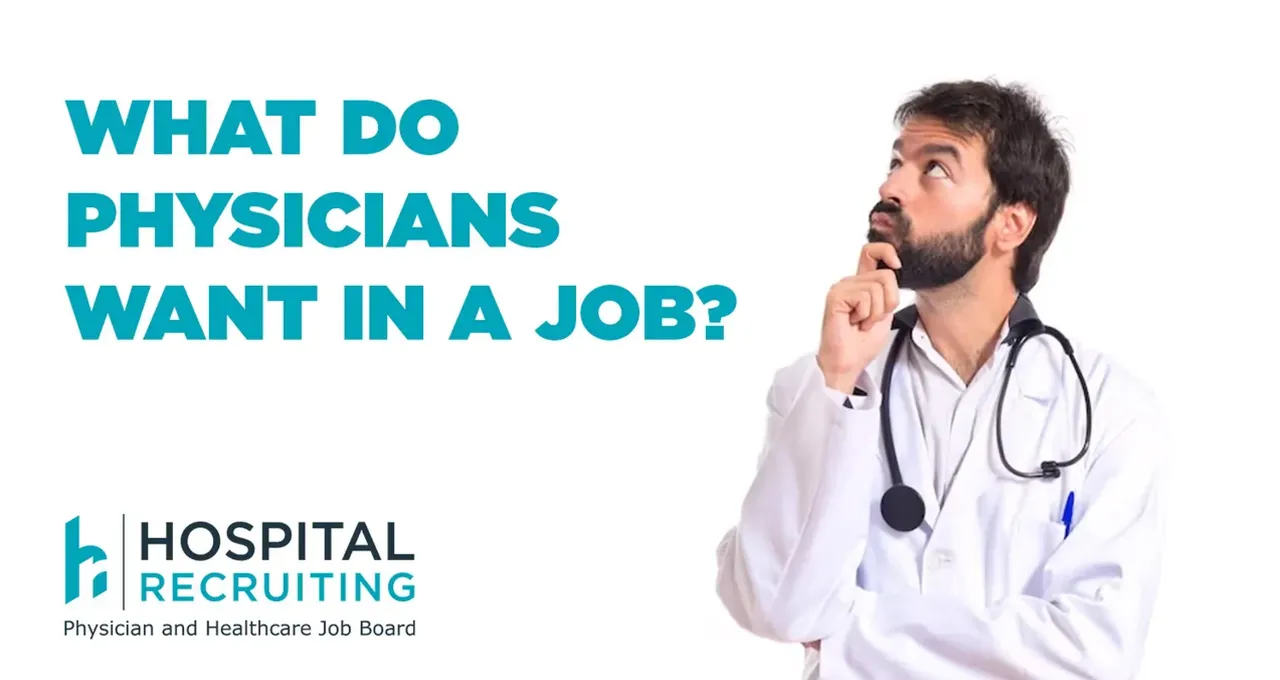
Focusing on what physicians value most when evaluating job opportunities will help employers adapt their recruitment strategies. Transparent communication about workload, compensation, autonomy, and organizational support will help foster better relationships with candidates. Ultimately, understanding physician priorities leads to stronger hiring outcomes, improved retention, and better alignment between candidates and employers.
Key Takeaways
- Physicians at different stages of their career value different things
- Recognize a candidate's top priorities when evaluating jobs
- Communicate transparently about workload, salary, expectations, etc.
- Tailor recruitment messaging to align with the specific candidate's desires
Looking Ahead
Thanks for reading. We’re excited to continue sharing helpful career insights for healthcare professionals and recruiters as we move into the new year. For more articles and resources, visit our blog homepage.
Related Posts