How to Evaluate Benefits Packages
If you’re looking for a job in healthcare, you know that evaluating benefits packages has become essential for clinicians aiming to make informed career decisions. While salary is often a significant factor in choosing a job, benefits can also influence your overall satisfaction and financial well-being.
A comprehensive benefits package not only supports your physical and mental health but also provides opportunities for professional growth and work-life balance. By understanding and carefully evaluating these packages, you can ensure you are making the best possible choice for your career and personal life.
Understanding Benefits Packages
Employers design benefits packages to attract talent by providing them with support and security beyond their base salaries. These packages can vary widely depending on the employer, job role, and location. Understanding the full scope of these benefits is crucial, as they can significantly impact your quality of life and job satisfaction.
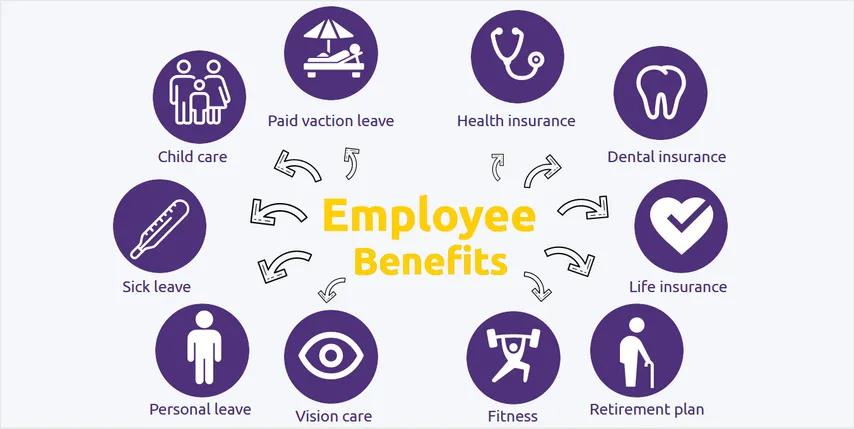
Robust packages typically include health insurance, retirement plans, paid time off, and other perks that contribute to both immediate and long-term well-being. Healthcare professionals should also recognize that benefits packages are often tailored to meet the specific needs of the medical staff. For example, many employers are now providing opportunities for continuing education and professional development. Being aware of these options can allow you to align your career goals with the right employer, ensuring a fulfilling and sustainable career path.
Key Components to Evaluate
When assessing benefits packages, it's important to focus on key components that can have a lasting impact on your personal and professional life. Carefully evaluating each aspect of the benefits package ensures you understand the full value of what is being offered.
1. Health Insurance
Health insurance is a cornerstone of any benefits package, offering protection against high medical costs. Having comprehensive health insurance is essential for both personal health and financial stability. Evaluate the details of the plan, including coverage options, premiums, deductibles, and co-pays. Consider how these factors align with your healthcare needs and those of your family to ensure you are adequately covered.
2. Retirement Plans
Retirement plans, such as 401(k)s or pension plans play a vital role in securing your financial future. Assess the types of retirement plans offered, contribution limits, and any employer matching options available. Understanding the vesting schedule and how employer contributions work can help you maximize your retirement savings. A strong retirement plan can significantly enhance the long-term value of a benefits package, offering peace of mind as you plan for your future.
3. Paid Time Off (PTO)
Paid Time Off (PTO) is an important aspect of work-life balance, allowing healthcare professionals to recharge and manage personal responsibilities. Evaluate the amount of PTO offered, including vacation days, sick leave, and holidays.
It is also important to consider any policies regarding unused PTO, such as rollover options or payout provisions. Understanding how PTO is accrued and utilized can help you better plan your time away from work, ensuring a healthy work-life integration.
4. Continuing Education and Professional Development
Continuing education and professional development opportunities can be important for career advancement in a healthcare position. Evaluate what resources are available for furthering your education, such as tuition reimbursement, workshops, student loan assistance, and conferences. Employers who invest in your professional growth demonstrate a commitment to your career development, which can enhance job satisfaction and open doors to growth within your field.
5. Other Benefits
Beyond the standard components, many employers offer additional benefits that can enhance your overall compensation package. These might include wellness programs, childcare assistance, gym memberships, or commuter benefits.
Assess the value of these perks in relation to your lifestyle and personal priorities. Understanding these additional benefits can help you gauge the total worth of a compensation package, enabling you to make a more informed decision about your potential employer.
Questions to Ask Potential Employers
When discussing benefits packages with potential employers, asking the right questions is key to understanding what is being offered. Here are some questions to consider:
- What health insurance options are available, and what are the costs associated with each plan?
- Does the retirement plan include employer matching?
- What is the vesting schedule for retirement plans?
- How is PTO accrued?
- What policies exist for unused PTO time?
- Are there opportunities for continuing education and professional development?
- What additional benefits or perks are offered?
- Can you provide specific examples of how the company supports work-life balance?
- Are there any unique benefits tailored to the healthcare industry that I should be aware of?
Conclusion
Evaluating benefits packages is a critical step in making informed career decisions in the healthcare industry. By understanding and assessing the various components of these packages, you can choose an employer that best aligns with your personal and professional goals.
A well-rounded benefits package not only enhances your compensation but also contributes to your overall well-being and career satisfaction. It is important to keep in mind that the ideal benefits package varies for each person. Only you can truly understand what benefits package is best for your situation. By arming yourself with knowledge, you’ll be best positioned to get the benefits you want.
Related Posts